
How truck fleets are using technology to do more with less
For fleets, doing more with less means identifying where time, labor, and capital are being wasted and applying technology to remove friction from everyday operations.

2027 pre-buy planning: managing cost, compliance, and uptime
Optimize your 2027 pre-buy planning in order to manage cost, ensure compliance, and improve uptime throughout your entire fleet.
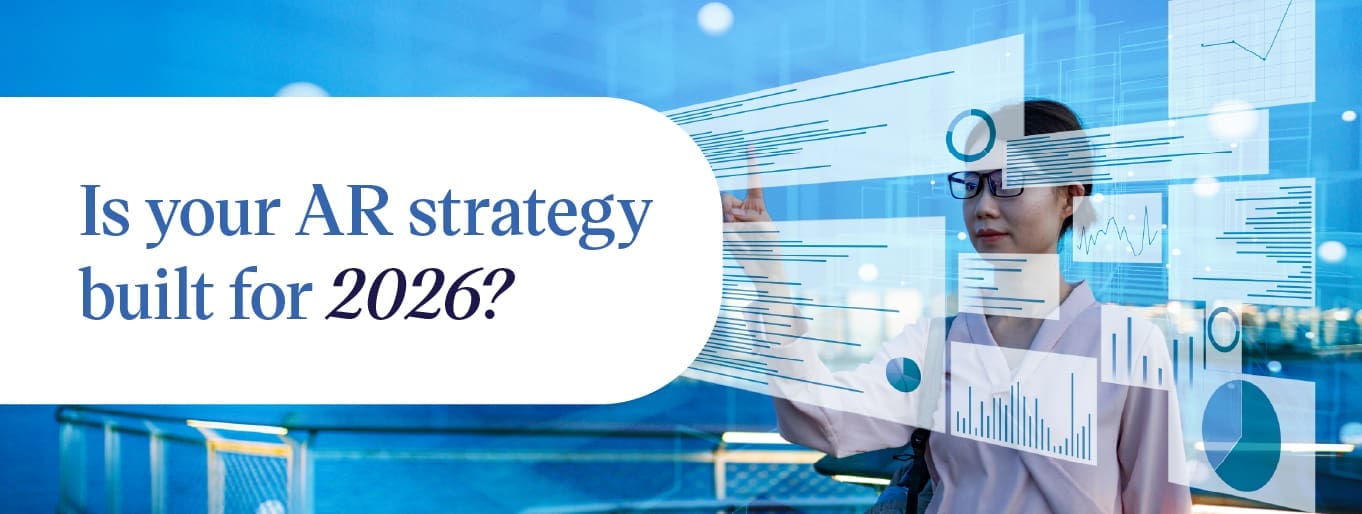
Accounts receivable trends shaping cash collections in 2026
Learn how accounts receivable trends and AI cash flow forecasting help finance leaders improve predictability and reduce risk.
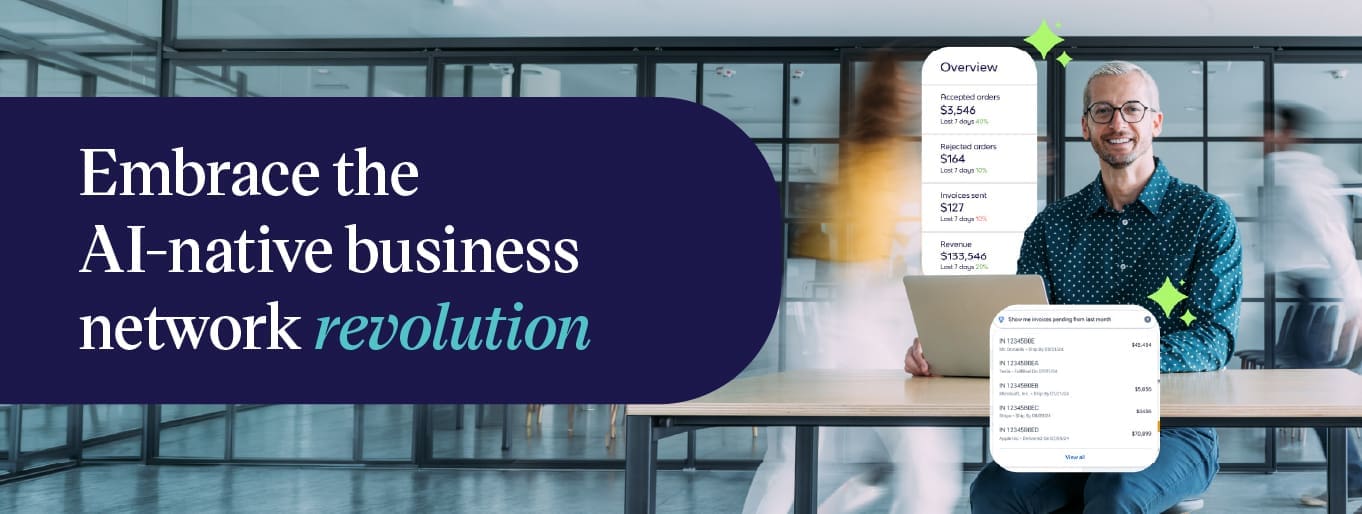
Corcentric’s AI-native business network revolution
Corcentric Business Network moves your business relationships from transactional to transformational, driving real business outcomes with GenAI-powered solutions.

5 ways to improve DSO without hurting customer experience
Organizations evaluating how to improve DSO can stay aligned with their days sales outstanding benchmark while protecting customer relationships.

Top Accounts Payable Trends for 2026: AI, automation, fraud, and what finance leaders need to know
Discover the top accounts payable trends for 2026 from Ardent Partners.

Supplier onboarding best practices to prevent AP fraud
The reality is that most AP risk, inefficiency, and fraud exposure don’t start at payment. They start when a supplier is onboarded. It doesn't have to be this way.

Faster time to value: Rethinking ERP integrations
Instead of starting from scratch with each ERP integration, organizations are increasingly adopting pre-built, reusable, configurable integrations that can be deployed quickly and adapted as needs change.
Why AI-driven exception handling in accounts payable is the future of efficiency
AI improves exception handling in AP by reducing manual reviews, applying dynamic tolerances, and increasing straight-through processing.